BEYOND its grand heritage buildings and historic milestones, Stroud’s 200-year history is packed with colourful characters, improbable stories and surprising claims, all to be celebrated at this month’s Bicentenary event.
One story has a pig surviving 37 days trapped underground, another has Australia’s most famous bushranger rescuing a stranded traveller. Yet another tells of an eccentric local athlete allegedly raiding chicken coops in pursuit of sporting glory.

Also, one of Australia’s earliest uses of anaesthetic may have occurred in this small country town.
These are just some of the remarkable stories emerging from the archives as the Stroud 200 celebrations shine a light on the characters and unexpected moments that have shaped the district over the past two centuries.
According to Rodney Gorton, President of the Stroud and District Historical Society, some of the most memorable pieces of local history are not the official milestones so much as the stories that reveal the humour, ingenuity and resilience of the people who lived here.
“Every community has its famous dates and events,” Mr Gorton said.
“But it’s often the unusual stories that bring history to life and remind us that the past was full of real people doing extraordinary things.
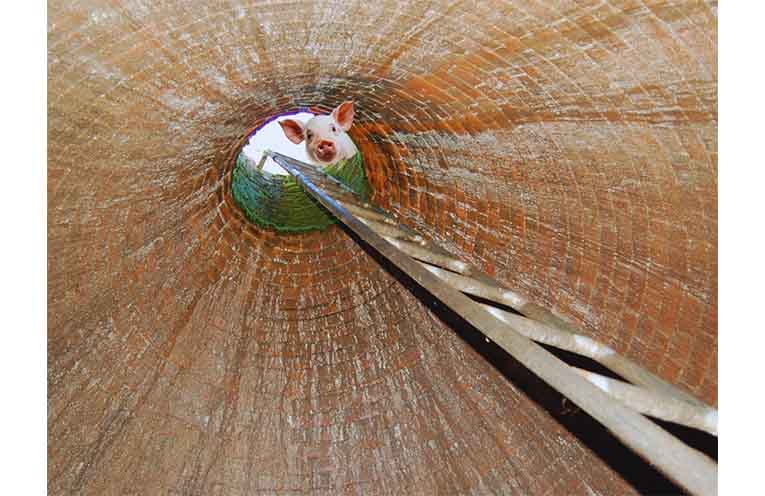
“Among the most enduring tales is that of the wayward swine who stumbled into one of Stroud’s underground grain silos in 1844.
“After plunging nearly seven metres below ground, the pig was presumed lost, only to be discovered alive 37 days later, having somehow survived in the darkness on scraps of charcoal left behind in the silo.”
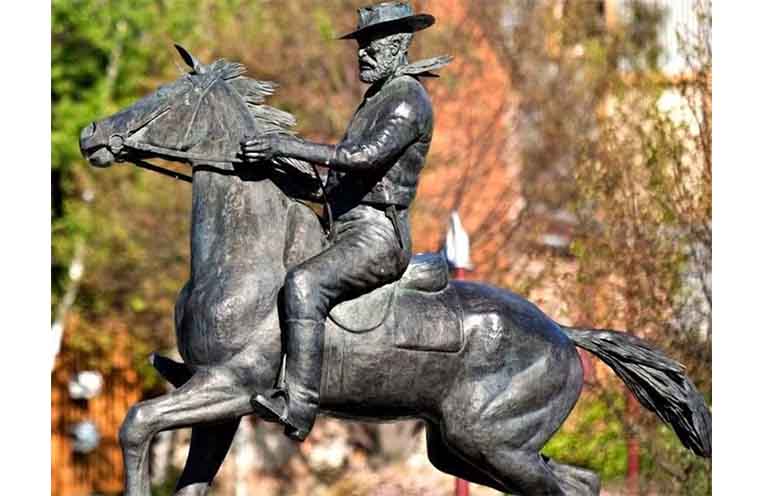
Then there is the remarkable account of local resident Tom Hill. While attempting to cross a flooded river near Stroud in the 1860s, he was guided safely through the dangerous waters by a stranger on horseback.
Only later did Mr Hill realise his guide was none other than the legendary bushranger Captain Thunderbolt.
The district also claims a connection to one of Australia’s greatest historical mysteries: in 1846, explorer Ludwig Leichhardt passed through Stroud before embarking on his expedition towards the Gulf of Carpentaria, and wrote his final known letter from the town before setting out into the continent’s vast interior.
Not to get too serious, Stroud’s stories include a 1943 Patriotic Carnival local sporting identity, Bruce Green, who reportedly credited his athletic prowess to a diet rich in raw eggs.
Rumour had it that nearby chicken farmers began keeping watch over their flocks, fearing Bruce’s enthusiasm for ‘training supplies’ might exceed what the hens could reasonably provide.
When the very first Back to Stroud celebration was held a century ago, visitors arrived in such numbers that local reports claimed the town’s water supply was exhausted by thirsty crowds enjoying the festivities.
Perhaps most surprising of all is evidence suggesting Stroud may have been the site of one of the earliest, and possibly the first, uses of anaesthetic in Australia, highlighting the significant role this small rural community played in the nation’s colonial history.
By Thomas O’KEEFE